
In FRODDO, the digital twin technology is transforming how we design, test and improve the future of CCAM mobility. By creating dynamic virtual replicas of real-world environments, digital twins enable researchers and stakeholders to anticipate challenges and explore solutions in a safe and controlled way.
Each FRODDO pilot is embedded in a specific context, addressing distinct challenges such as sensor integration, real-time traffic management, early warning system, AI-driven adaptation, and digital twin deployment. For each pilot site, the digital twin is tailored to its environment while contributing to a shared ambition: making mobility safer, smarter and more human-centric.
The integration of advanced visualisation capabilities and novel technologies into the digital twin enables key functionalities such as the simulation of traffic management strategies, the deployment of early warning mechanisms, and the use of interactive decision-support dashboards—helping transform complex data into actionable insights for operators and decision-makers.
In Ljubljana, the focus is on people. The pilot explores how users interact with automated vehicles, with the digital twin capturing vehicle position, Early warning system alerts, as well as trust and comfort levels. By combining real-world and virtual driving scenarios, it supports the refinement of human–machine interaction, aiming for future automated systems that are efficient, intuitive and reassuring.
In Athens, urban mobility at scale is addressed. The digital twin mirrors a complex city environment enabling the simulation of traffic management strategies in specific scenario (with disruptions, events and CAV penetration rate), and the prediction of public transport demands. Available information directly feeds into the Athens Digital Twin, which provides a clear and user-friendly visualisation of traffic management strategies and their potential impacts. This platform supports decision-making by allowing stakeholders to compare solutions improving traffic fluidity and reducing environmental impact.
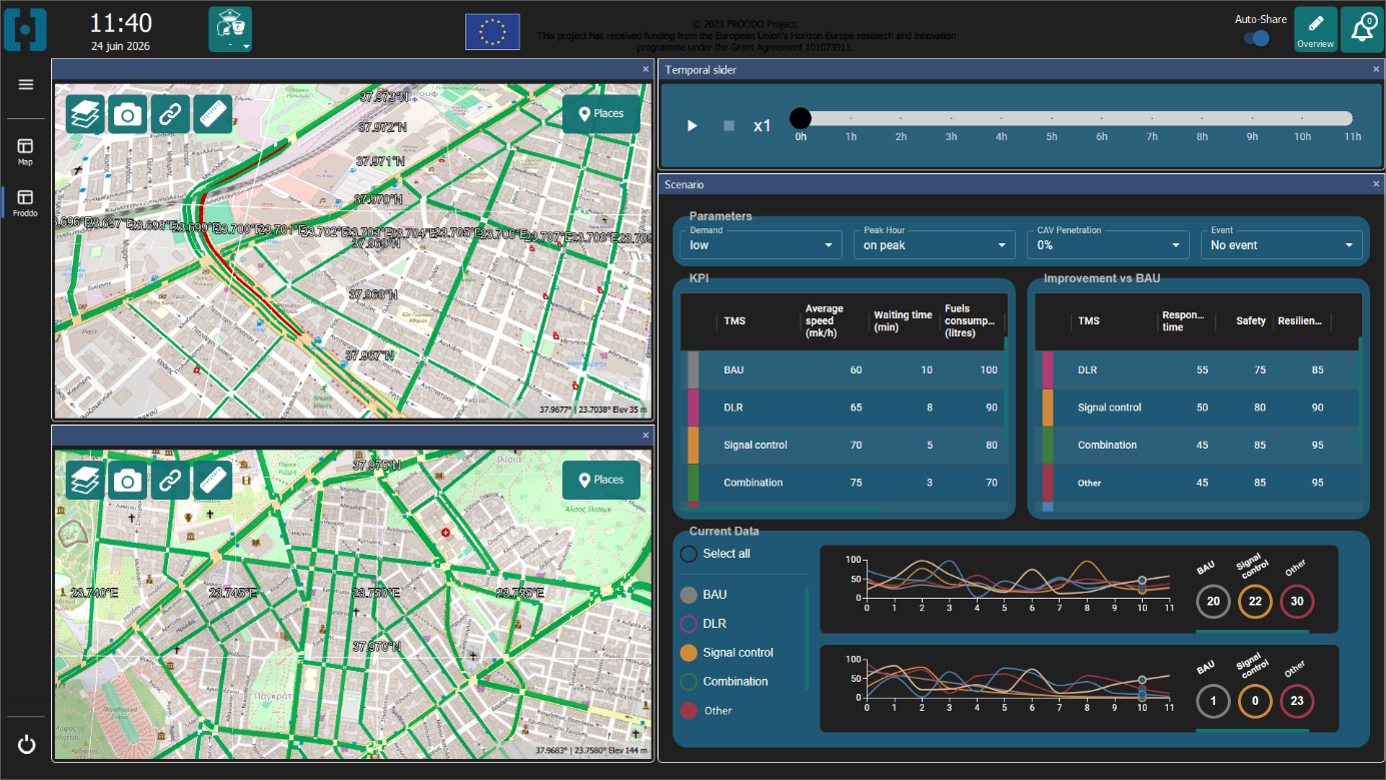
Figure 1: Athens traffic managment strategies comaraison
In Modena, the focus is on the Modena Automotive Smart Area. By integrating data from smart infrastructure and connected systems, the digital twin provides a shared, real-time representation of the road environment, including traffic prediction, average speed or incidents. As a result, stakeholders can have a better understanding on the traffic, incidents and risks, enabling them to improve safety and fluidity.
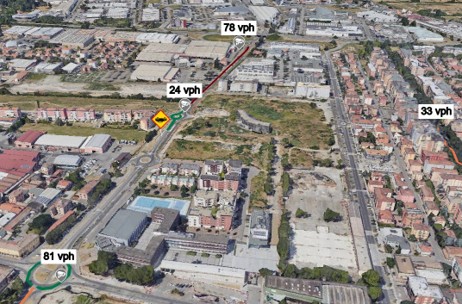
Figure 2: Modena traffic prediction and incident report
In Bursa, the focus shifts to industrial logistics. Autonomous tow trucks operate in a factory environment where traditional navigation systems may be limited. The digital twin supports real-time monitoring, mirroring of vehicle activity, and performance indicators. Through integrated tools and visual dashboards, operators can track operations, and continuously improve efficiency in a flexible and scalable way.
Across all pilots, digital twins act as a powerful bridge between the physical and digital worlds. By combining data integration, simulation, visualisation, and decision support, they create a shared space for experimentation, collaboration and innovation. Ultimately, they help turn complex mobility challenges into actionable solutions—bringing the future of connected and automated transport one step closer to reality.
Authors: Yana Lazarova & Guillaume Inglese (CS Group)